
In a cabinet of shallow drawers in Philadelphia lie 2,374 things that people swallowed or breathed in and could not get out again. Every one came out of a throat, a gullet or a lung, pulled free with instruments passed down a tube. A museum docent once described visitors playing a game in front of them, picking the object that suited each friend: the prosthetic gold tooth, the Monopoly piece. The man who removed them all, Chevalier Jackson, kept every one, with notes on the patient, where it lodged and how long it took, because he thought other doctors could learn from them.
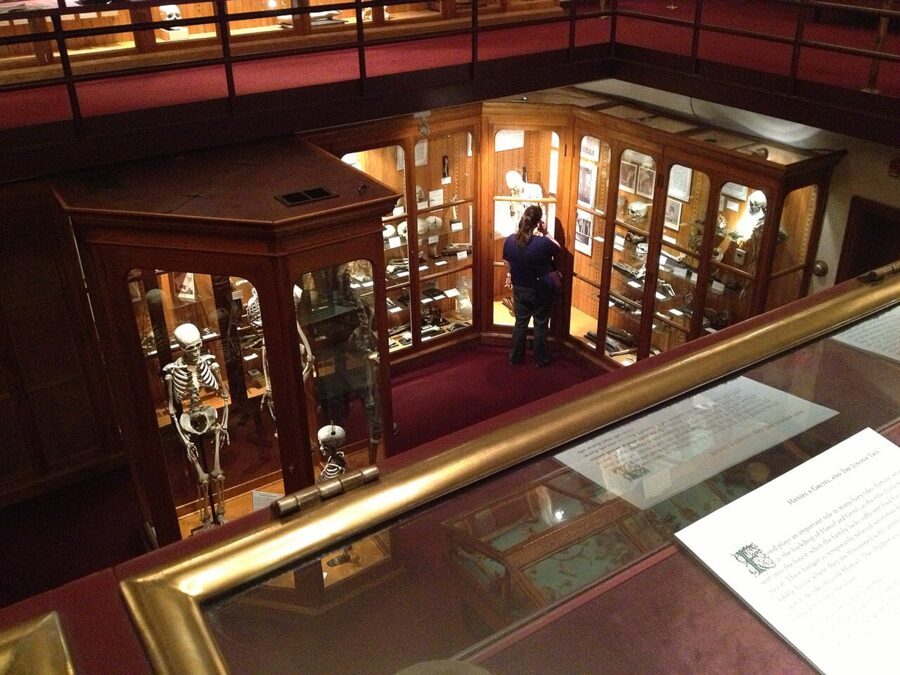
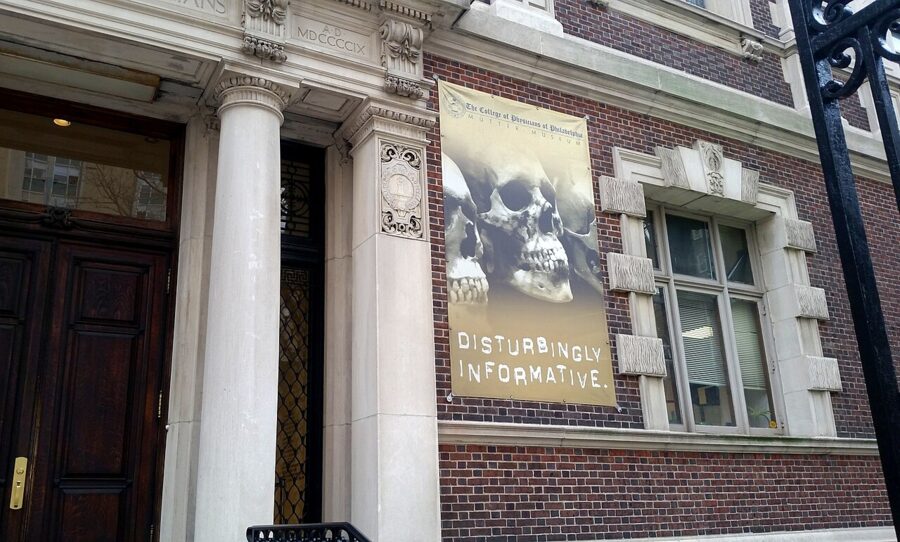
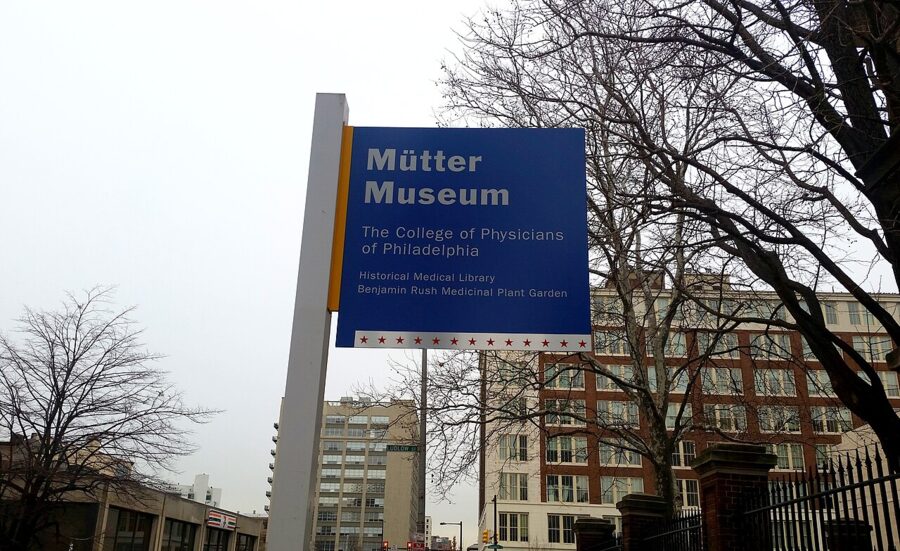
That is the Mütter Museum in one case. It is the museum of medical history of the College of Physicians of Philadelphia, a society of doctors founded in 1787, and it began with one surgeon’s teaching collection in 1858. Today it holds more than 25,000 objects, and about 18 percent of them are human remains, shown in wooden and glass cases that are themselves about 150 years old.
It is also a museum that spent 2023 to 2025 arguing in public about whether it should show those remains at all. The answer, announced in August 2025, was yes, with conditions. You can still see nearly everything that made the Mütter famous, under rules that ask you to look at each specimen as a former patient, and to keep your phone in your pocket while you do.



In this case6 parts
Thomas Dent Mütter and the College of Physicians
Thomas Dent Mütter was born in Richmond, Virginia, in 1811, trained at the University of Pennsylvania and in Paris, and held the chair of surgery at Jefferson Medical College from 1841 to 1856. His specialty was the people other surgeons turned away. In an age of open fires and light, layered dresses, many of his patients were women whose burns had healed into thick scars that pulled their chins toward their chests.
In 1841 he operated on a 28-year-old woman who had been burned at the age of five. He cut through the scar at her neck and swung a flap of healthy skin from her back into the wound, leaving it attached so it kept its blood supply. The method is still known as the Mütter flap, and he kept his patients in clean recovery rooms afterward when most were sent straight home.
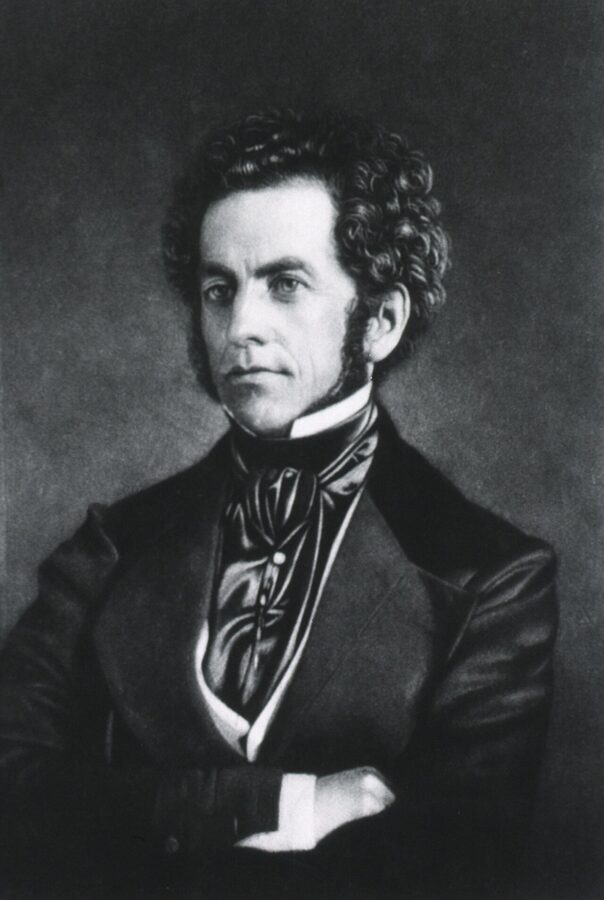
In 1858 he gave the College of Physicians his teaching collection of about 1,700 objects and specimens, with $30,000, on strict terms: the College had to hire a curator, keep the collection growing, fund an annual lecture and put up a fireproof building. He had offered it to Jefferson first, but Jefferson had no room. He died in 1859, at 48.
The College had been founded by 24 Philadelphia physicians, Benjamin Rush among them, with a stated mission “to lessen human misery.” It kept Mütter’s terms. The first museum building opened in 1863 at 13th and Locust Streets, and in 1909 the College moved to 19 South 22nd Street and brought the original cases with it.
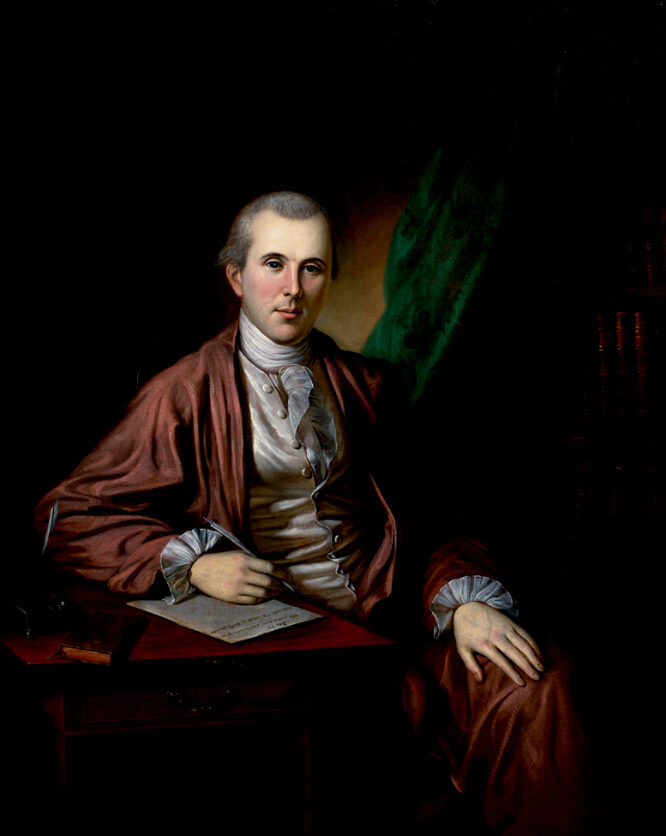
For most of its first century the museum served doctors and medical students, and in 1959 it counted about 1,800 visitors. That changed with Gretchen Worden, who started there in the mid-1970s, became curator in 1982 and director in 1988, and invited photographers, artists and television in. By 2018 the count was about 180,000 a year.
The collection, and what it teaches
The holdings run from medical instruments and drugs to models in wax and plaster and human and animal material kept as bone, dried or in fluid. Most of it dates from the mid-19th to the early 20th century, when a teaching collection was how doctors learned what a disease looked like inside a body. Each famous piece answers a medical question, and that is the best way to look at them.
The Hyrtl skulls
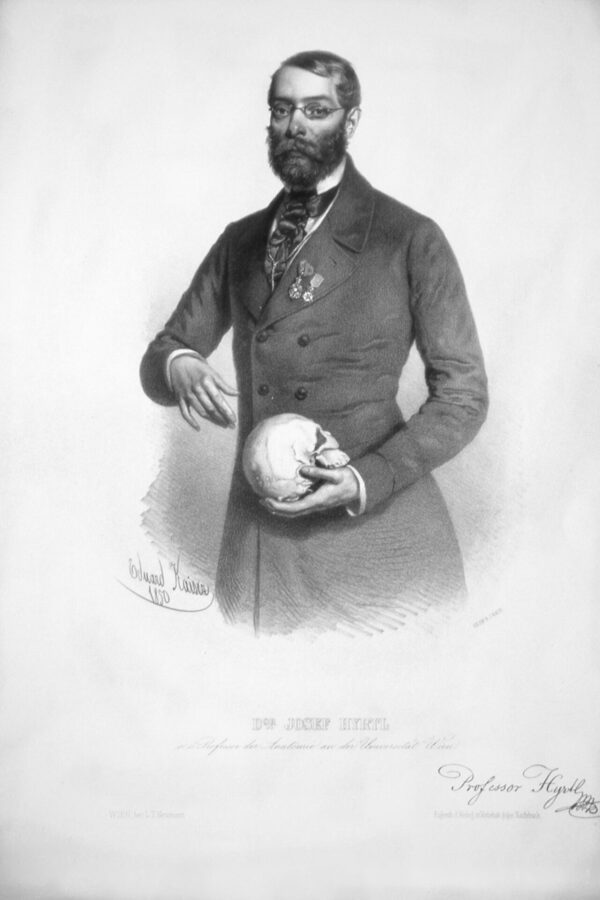
One wall holds 139 human skulls, each on its own stand, many inscribed with the person’s age, home town and cause of death. The museum bought them in 1874 from the Viennese anatomist Josef Hyrtl (1810–1894), who collected them to argue against phrenology, the claim that skull shape revealed intelligence and character and that racial differences were written in bone. The museum’s Hyrtl collection page explains his point: skulls varied enormously even among Europeans, so the measurements meant nothing.
A popular story says Mozart’s skull passed through Hyrtl’s hands. If it did, it never came to Philadelphia: Hyrtl left that skull to the city of Salzburg, and whether it is Mozart’s has never been settled.
The Soap Lady
The Soap Lady is a woman whose body was dug up in a Philadelphia cemetery in 1875. A waxy substance called adipocere, which can form from body fat in warm, airless, alkaline ground, encases her remains. The anatomist Joseph Leidy acquired the body and reported that she had died in the yellow fever epidemic of the 1790s, in middle or old age.
Records show he was wrong twice. X-rays taken in 1987 found buttons and pins on her clothing that were not made in the United States until the 1830s, and new images made in 2007 by a Quinnipiac University team moved her likely age at death down to her late 20s. The museum’s account of the Soap Lady now gives both the legend and the correction.
The giant and the woman beside him
The tallest skeleton on display in North America stands in the main gallery: the Mütter American Giant, 2.29 m (7 feet 6 inches) tall. Nobody knows who he was. Joseph McFarland, curator from 1937 to 1945, published research on the shakier histories in the collection, this skeleton among them, and the story that he was a “Kentucky Giant” has never been proved.
Next to him the museum has shown the skeleton of Mary Ashberry, a woman with achondroplasia, the most common form of dwarfism, who died in childbirth in 1856. Side by side they show the two ends of human growth: his height came from too much growth hormone, her short limbs from a genetic condition that slows bone growth.
Chang and Eng Bunker
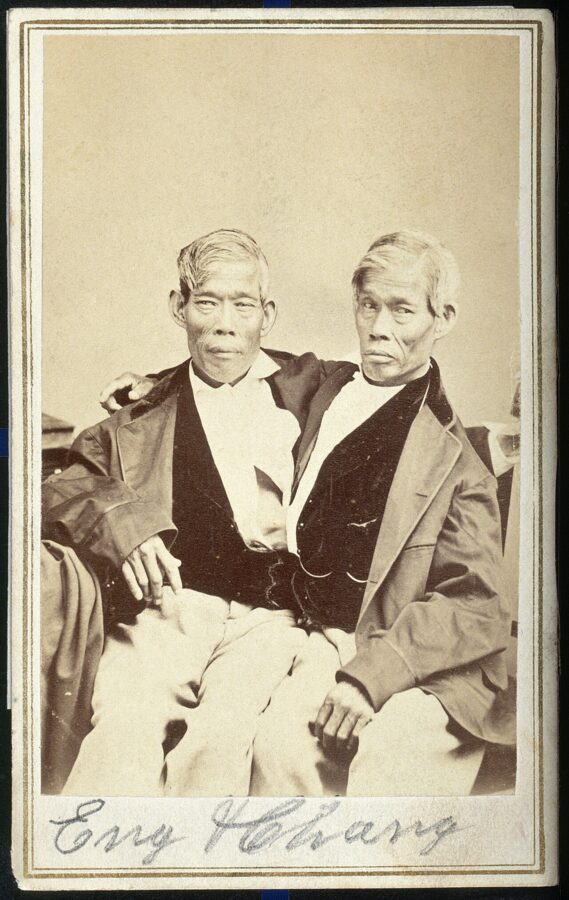
Chang and Eng Bunker were born joined at the chest in 1811, in what is now Thailand, and came to the United States in 1829 to tour. They tired of the stage, married two sisters, bought neighboring farms in North Carolina in the early 1840s and raised large families. They died in 1874.
Fellows of the College performed the autopsy and brought the specimens to Philadelphia, and the conjoined livers and the plaster death cast of their torsos are in the main gallery. A later Fellow of the College, C. Everett Koop, pioneered the surgery that now separates conjoined twins.

Slides of Einstein’s brain
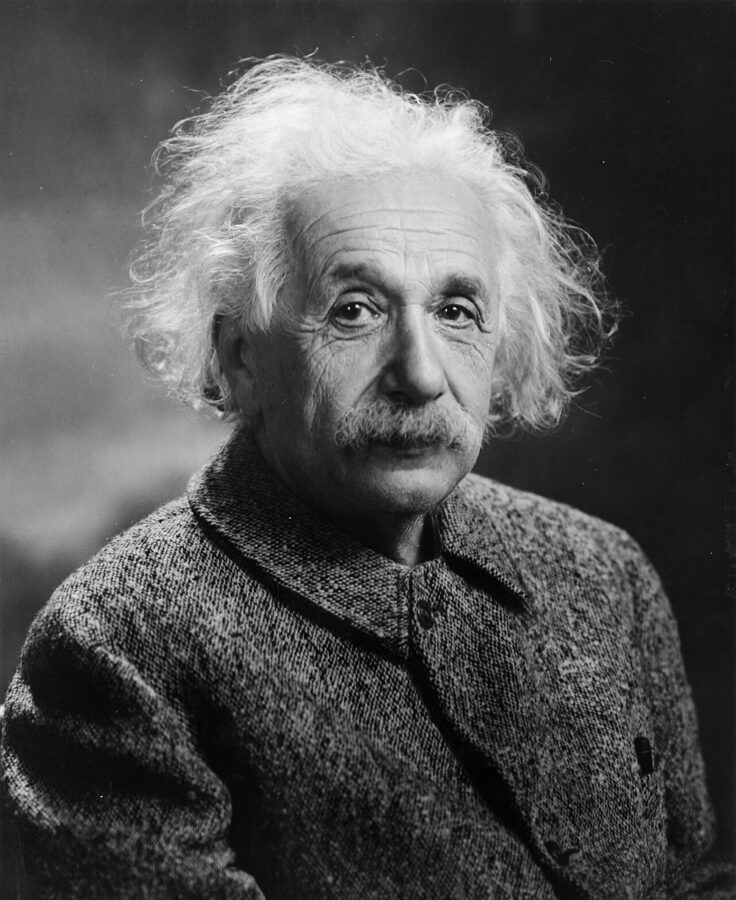
When Albert Einstein died in 1955, the pathologist Thomas Harvey removed his brain at the autopsy without permission and only later won the family’s consent to keep it. Some of the tissue was cut into sections in Philadelphia, in the laboratory of the pathologist William Ehrich. A box of 46 slides passed through several hands to the neuropathologist Lucy Rorke-Adams of Children’s Hospital of Philadelphia, who gave them to the museum in 2011.
Each section is 20 to 50 microns thick, thinner than a human hair. When the slides went on display, 45 were shown as they are and one under a magnifying lens, and that is the one worth waiting for.
The megacolon
In 1892 a 29-year-old man identified in the records only by his initials died. His autopsy found a colon about 2.4 m (8 feet) long, swollen with roughly 18 kg (40 pounds) of impacted feces. He had what is now called Hirschsprung’s disease, in which part of the bowel lacks the nerve cells that move its contents along, and the College’s library holds photographs of him taken shortly before he died. Accounts differ on the exact length and weight, so treat both as approximate.
Chevalier Jackson’s drawers
Chevalier Jackson spent almost 75 years removing foreign objects from airways and gullets, with tools and methods he developed himself. The Chevalier Jackson Collection holds 2,374 of those objects, most on display. His notes recorded the patient’s age and sex, the object, where it lodged, whether he used anesthesia and how long the extraction took.
More than 80 percent of the patients on record were under 15, and a museum docent’s account says that when a family could not pay, he often asked only to keep the object. He also lobbied for the Federal Caustic Poison Act of 1927, which required labels on poisonous and corrosive products. The museum’s own pages give his birth year as both 1863 and 1865.

Smaller cases worth finding
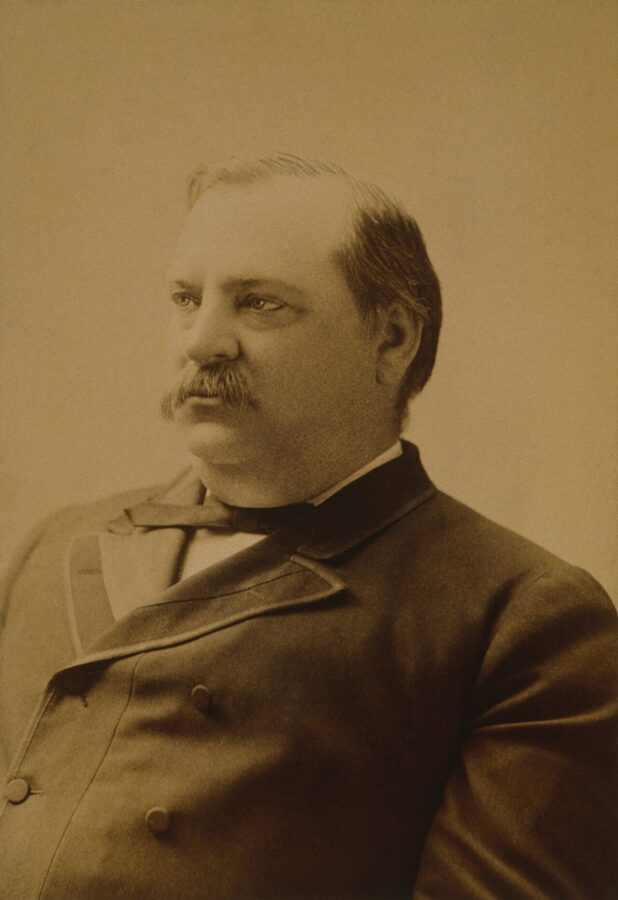
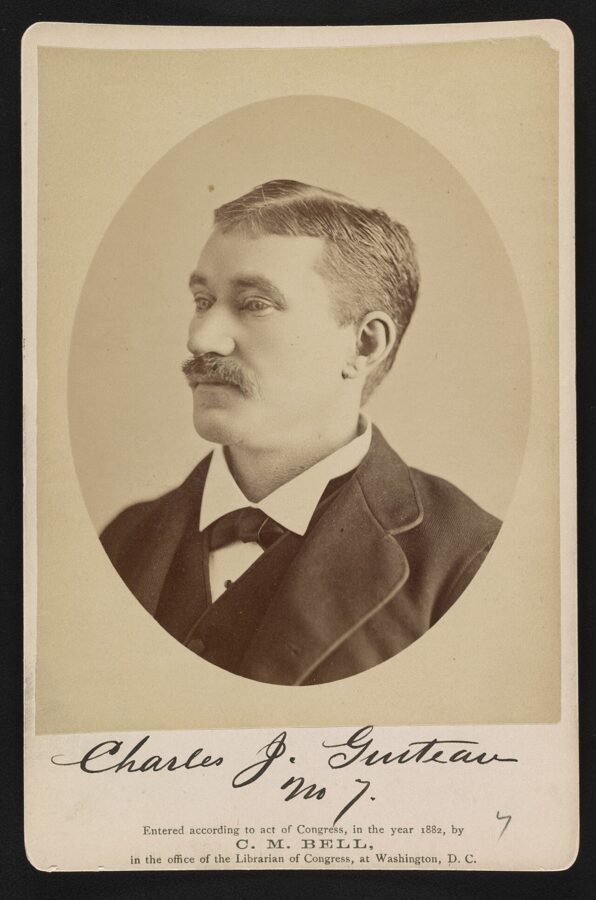
Look for the tumor removed from the palate of President Grover Cleveland in 1893, in surgeries kept secret while the economy was in turmoil. There is tissue from John Wilkes Booth, a section of the brain of Charles Guiteau, who shot President Garfield, and the skeleton of Harry Eastlack, a Philadelphian who died in 1973 of fibrodysplasia ossificans progressiva, a disease that turns muscle and tendon into bone. Among the wax models, the best known shows a woman called Madame Dimanche, whose horn-like growth was removed in the early 19th century after six years.
The fight over human remains, and what changed
Showing human bones is not new; the Sedlec Ossuary and the Catacombs of Paris are older than the Mütter. What changed in the 2020s was the professional standard for remains collected without consent, and the Mütter became the place where Americans argued about it loudest.
In January 2023 the executive director, Kate Quinn, appointed in 2022, took down all of the museum’s online exhibits and its YouTube videos, including Memento Mütter, an online gallery launched in 2016. She called it an ethical review. Supporters were furious, a petition circulated, and a living donor whose heart is in the collection asked for it back.
The College’s chief executive later resigned and many staff left; the longtime curator Anna Dhody resigned in 2024. The trustees backed the review in June 2023, and in September a $285,500 grant from the Pew Center for Arts and Heritage paid for the Postmortem Project: town halls, focus groups, open houses and an exhibition, from October 2023 to September 2025.

Quinn left in April 2025. Two science historians with long ties to the museum took over: Sara Ray, senior director of interpretation and engagement, and Erin McLeary, senior director of collections and research. On August 19, 2025, the College announced the outcome, set out on the museum’s page on the review.
The museum keeps showing human remains, about 6,500 of them in the collection, with more about who the people were and how they got there. New remains will be accepted only from a living donor or by bequest, and filming or photographing them needs leadership’s permission and an educational purpose, under the human remains and image policy. Nearly 80 percent of the deleted videos, close to 400, came back.
The most interesting change is quieter. Staff are tracing the people in the collection through records, death certificates and archives, and adding what they find to labels and tours: one unusual kidney has been traced to Mary L. Caley, a prominent 19th-century Philadelphia Quaker. The museum also invited 41 Native American tribal nations to consult on whether their ancestors are in the collection, and several remains believed to be Native American have been returned since April 2024.
I think the outcome is right. The specimens stayed, the review produced written rules, and the people in the cases are slowly getting their stories back. “Each of the human remains within our collection was, after all, once a patient just as you are today,” Ray told WHYY when the policy was announced, and that is a good sentence to carry through the galleries.
The building on 22nd Street and the herb garden
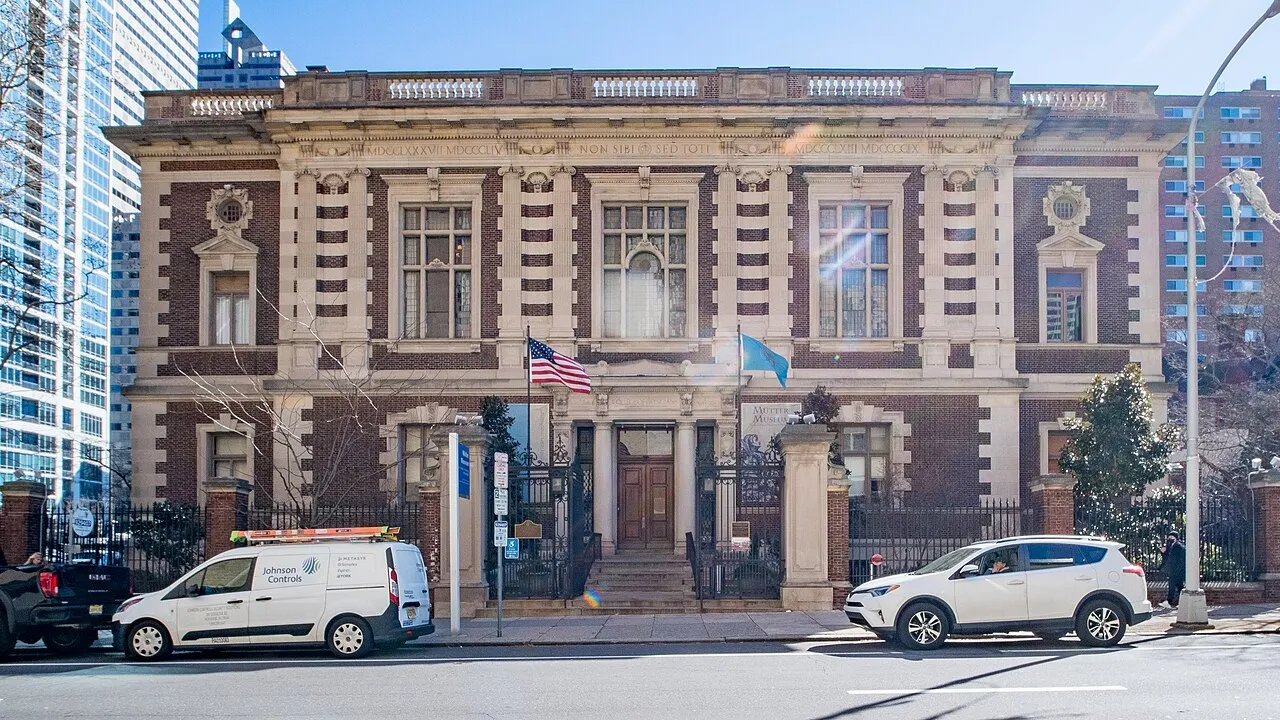
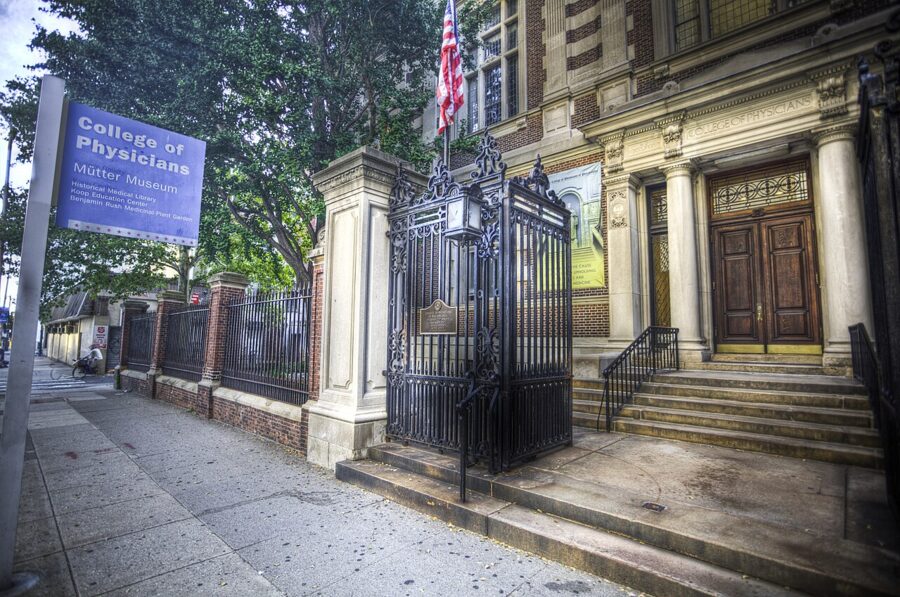
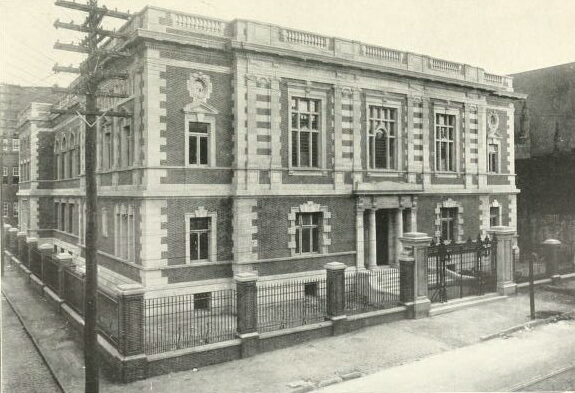
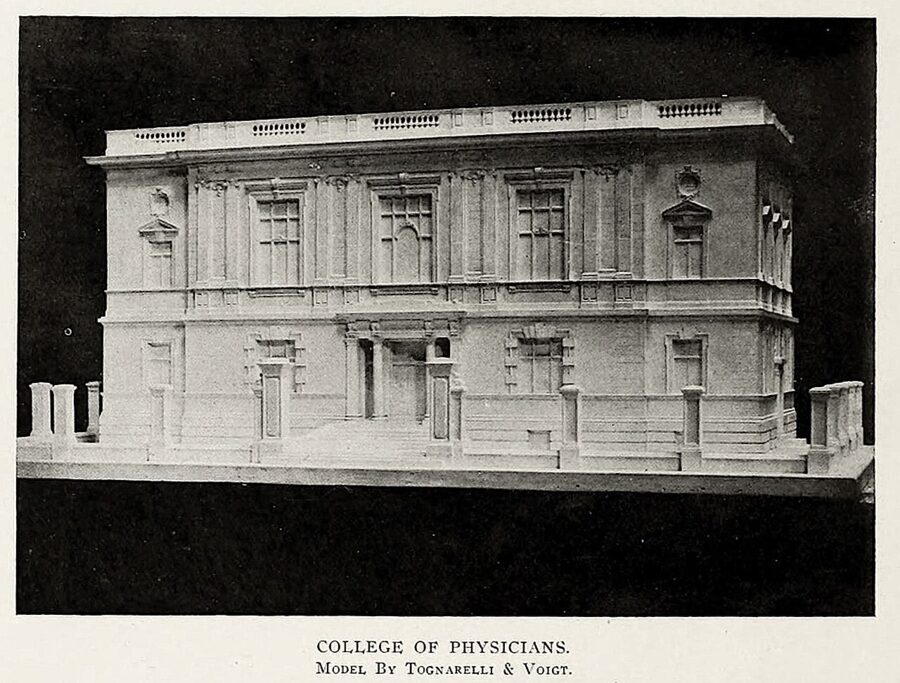
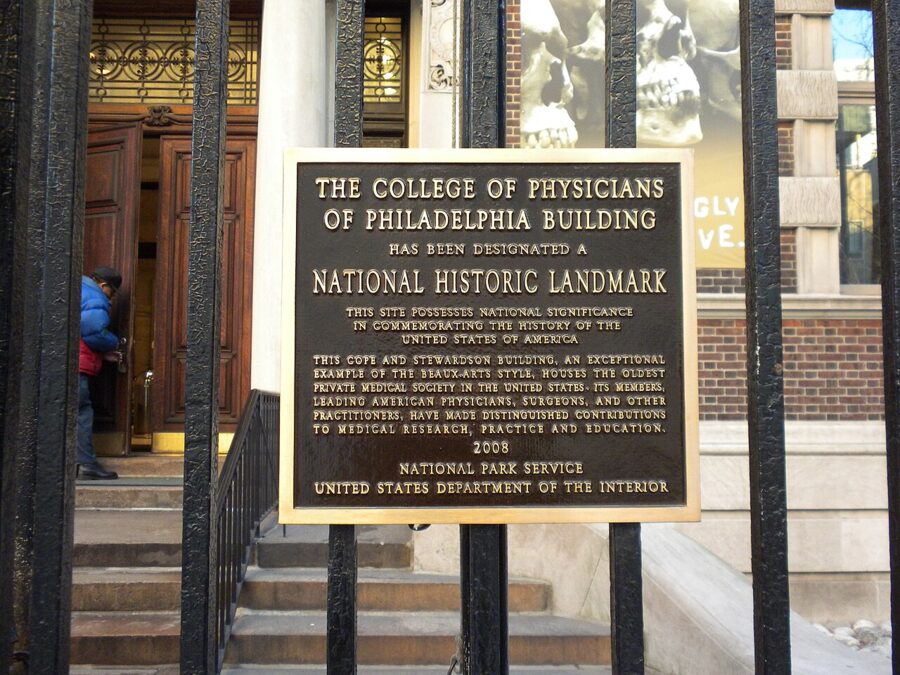
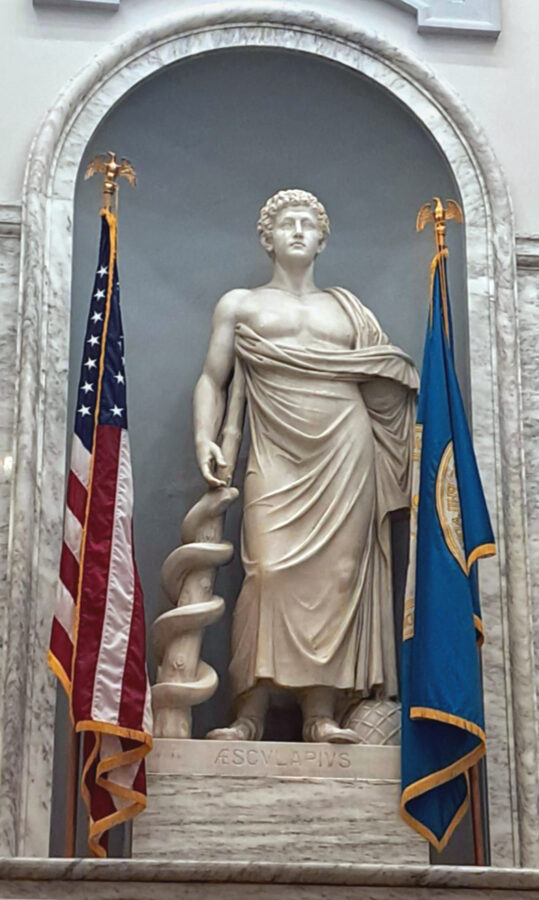
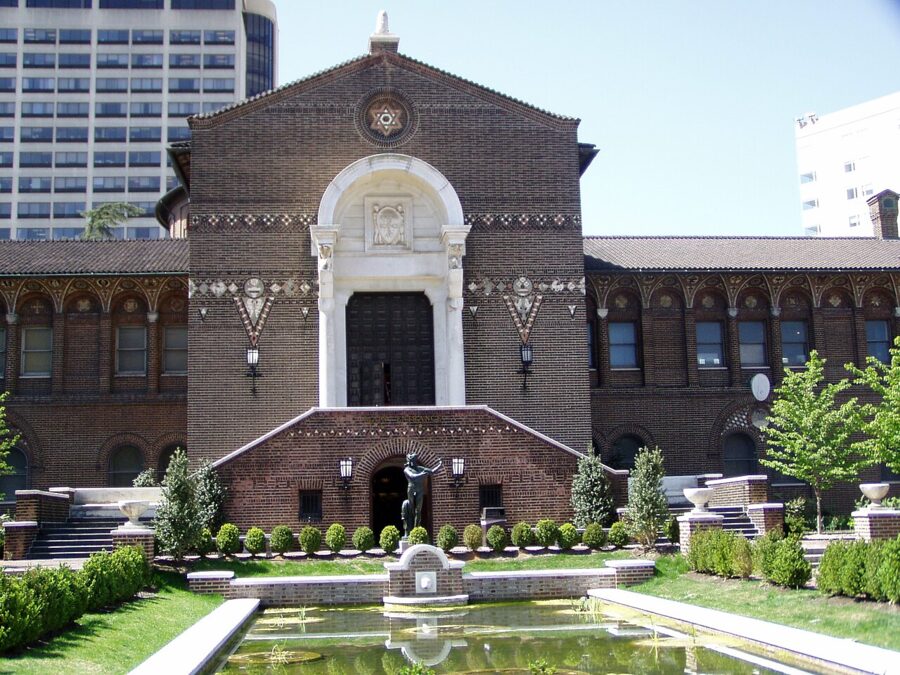
The College’s building was designed by the Philadelphia firm Cope and Stewardson and finished in 1909: red brick with heavy limestone trim, iron railings and a columned porch. It became a National Historic Landmark in October 2008. Inside, at the head of the main stair, a marble statue of Asclepius, the Greek god of medicine, looks down on the rotunda.

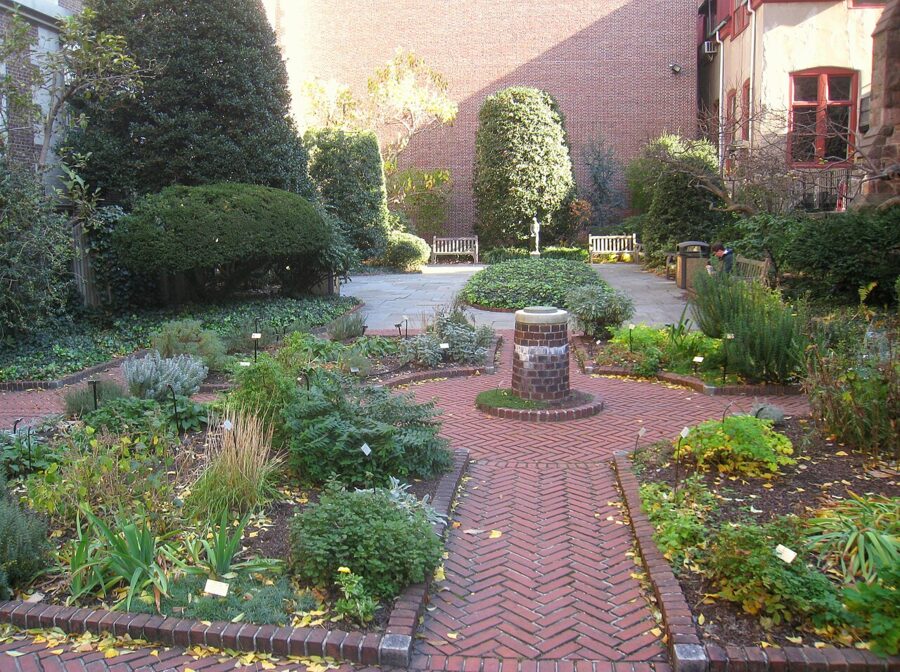
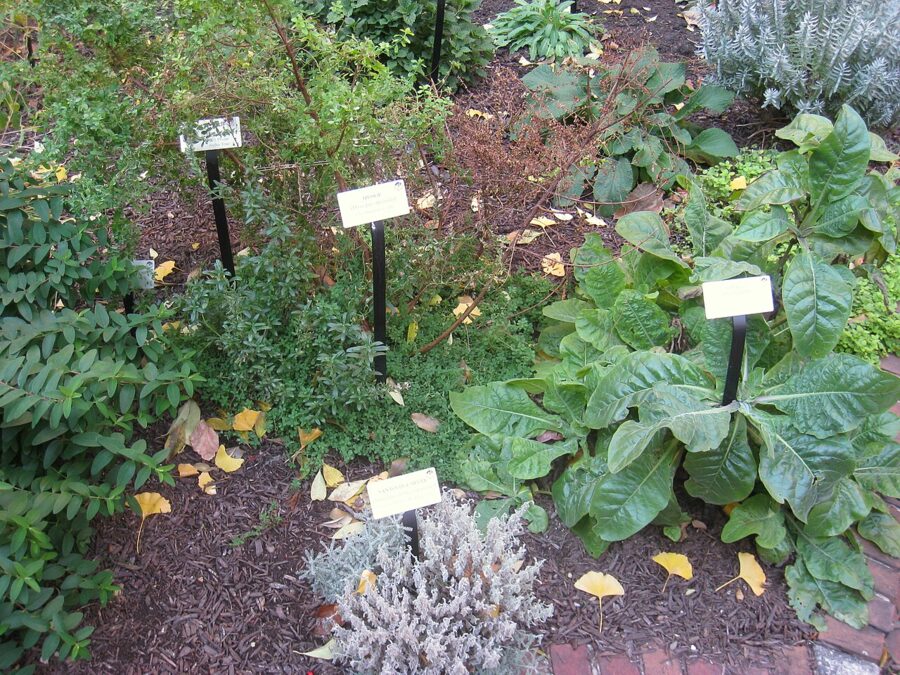
Out front, behind an iron gate, is the Benjamin Rush Medicinal Plant Garden, founded in 1937, with brick paths, benches and beds of plants that doctors once used as drugs, each labeled with its name and some of its uses. A docent’s write-up of the garden explains the idea: foxglove leaves gave doctors digitalis for heart failure, and willow bark’s salicin led to aspirin.

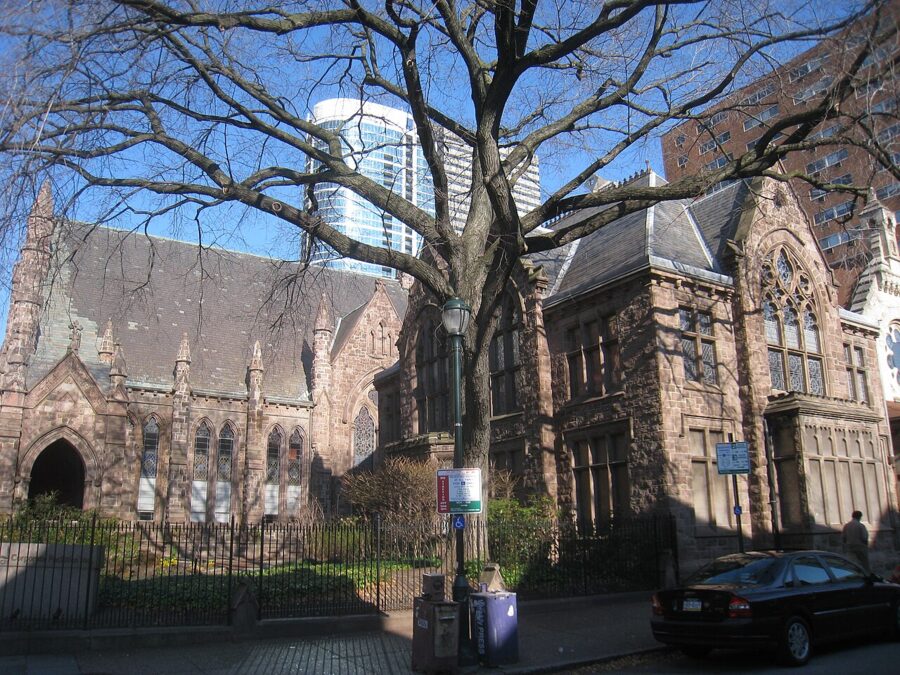
The building is about to grow. In 2023 the College bought the neighboring Church of the New Jerusalem at 2129 Chestnut Street, a Gothic Revival Swedenborgian church of 1881, for a reported $9.3 million. The expansion plan, announced in November 2025 with $27 million raised for the first phase, joins the two with a glass connector and enlarges the core gallery to show thousands of objects now in storage.
Visiting the Mütter Museum in 2026
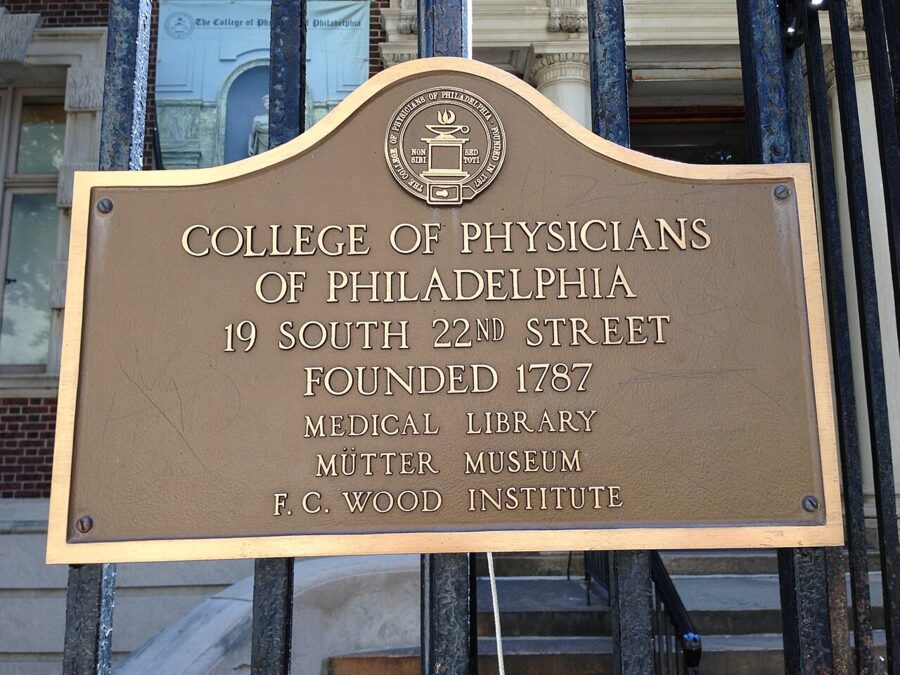
The museum is at 19 South 22nd Street, between Market and Chestnut Streets in Center City. As of November 2026 it opens Wednesday to Monday, 10 a.m. to 5 p.m., and closes on Tuesdays, Thanksgiving Day, Christmas Eve, Christmas Day and New Year’s Day. It is also closed on Wednesday, December 2, 2026, for a private event.
Tickets
Entry is by timed ticket, with 50 people admitted each half hour, so book ahead for weekends; the museum may turn away people without tickets when it is full. Prices on the hours and admission page, as of November 2026:
| Ticket | Price |
|---|---|
| Adult | $25 |
| Senior (over 65, with ID) | $23 |
| Military (with ID) | $23 |
| Student (with ID) | $20 |
| Youth (6–17) | $20 |
| Child (5 and under) | Free |
| Pennsylvania or Delaware ACCESS card (up to four family members per card) | $2 |
The ticket also covers the current special exhibition, The Philly Killer, about the Legionnaires’ disease outbreak at an American Legion convention in Philadelphia in July 1976, which left 180 people seriously ill within days.
Rules inside
No photography or video of any kind is allowed in the galleries, out of respect for the people in the collection; you can take pictures in the lobby, the Norris Reading Room and the garden. The museum recommends a visit for children aged 10 and up, because some specimens show genitals, injuries and disfiguring disease, but leaves the choice to parents.
Strollers, large bags and luggage are not allowed in the galleries, because the aisles are narrow and the cases are old glass. Free lockers take bags up to about 30 by 36 by 38 cm (12 by 14 by 15 inches) and need a quarter, which you get back. There is no café, and no food or drink in the galleries; the full list is on the Know Before You Go page.
Some cases are dimly lit on purpose, to protect specimens from heat and light. The free Bloomberg Connects digital guide adds an audio tour of highlights, a gallery map and an American Sign Language video tour. Upstairs areas sometimes close for private events, so the museum suggests phoning ahead.
I would allow 90 minutes to two hours. The galleries are compact, but the cases are dense, and the Jackson drawers alone can take 20 minutes if you read the labels.
Access and getting there
Wheelchair users enter at the back, on Van Pelt Street, by pressing the intercom beside the glass door marked “College of Physicians of Philadelphia.” Security runs the elevator to the lower galleries, which takes chairs up to 81 cm (32 inches) wide, and a personal care assistant gets in free with a paying visitor; details are on the accessibility page.
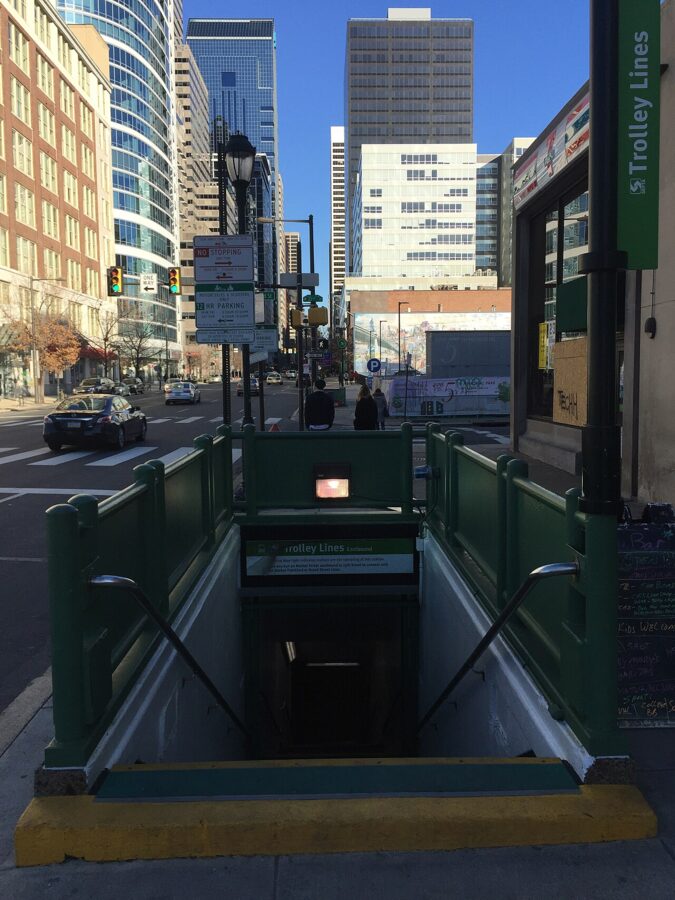
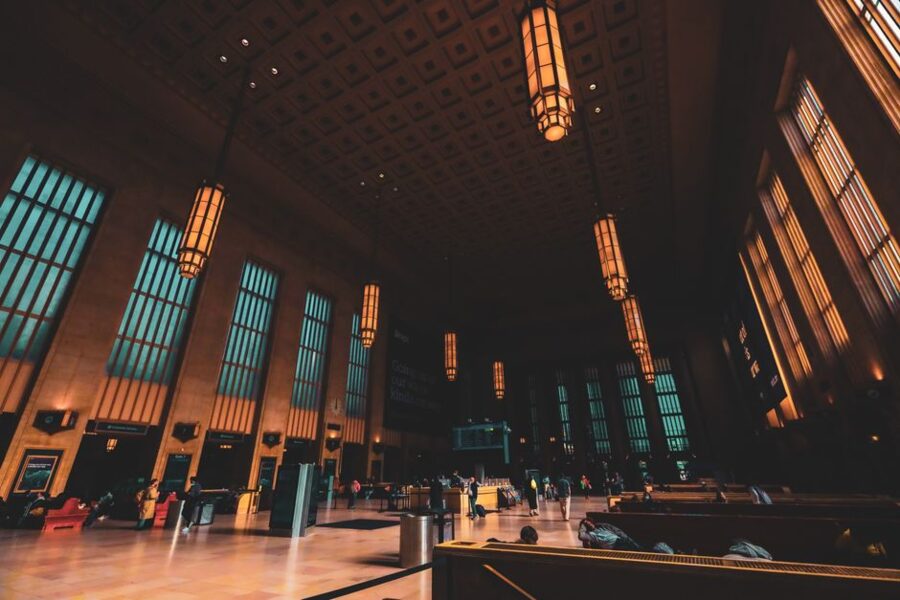
The SEPTA trolley stops at 22nd and Market Streets, half a block north. From 30th Street Station, where Amtrak and Regional Rail trains arrive, it is about a 10-minute walk east on Market Street across the Schuylkill River, then right on 22nd Street. There is no museum parking, but the directions page shows two paid lots beside and behind the building.


Nearby oddities in Philadelphia
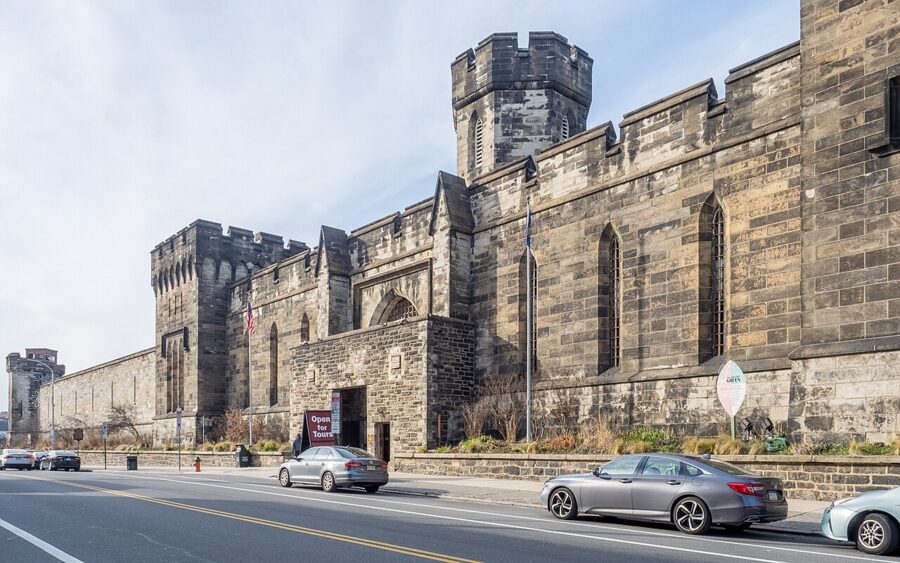
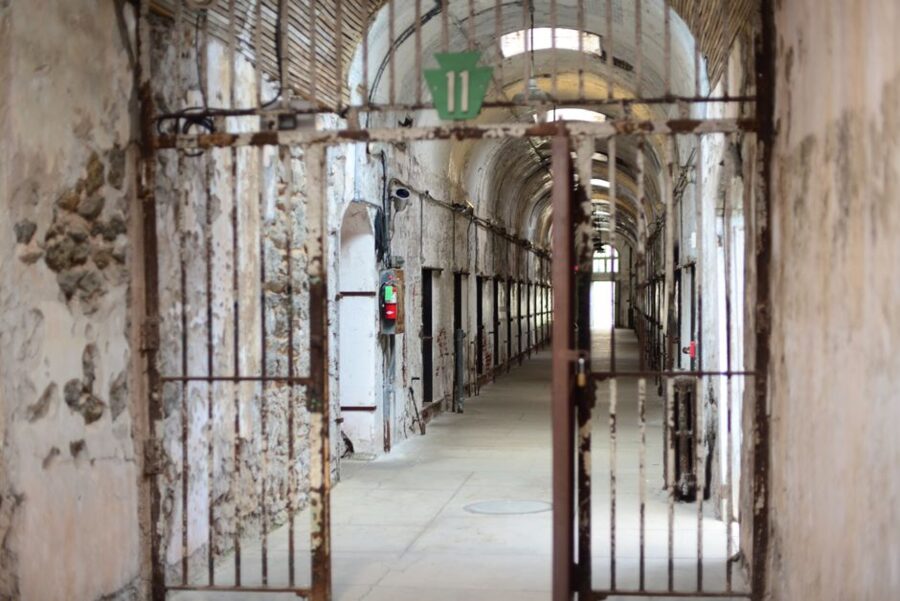
Eastern State Penitentiary, at 2027 Fairmount Avenue, took its first prisoner in 1829 and was built to produce penitence through solitary confinement with labor. The state stopped running it in 1970, and today you walk through its crumbling cellblocks. As of November 2026 it is open daily from 10 a.m. to 5 p.m., except Thanksgiving Day, and daytime admission is $21 for adults online or $23 at the door.

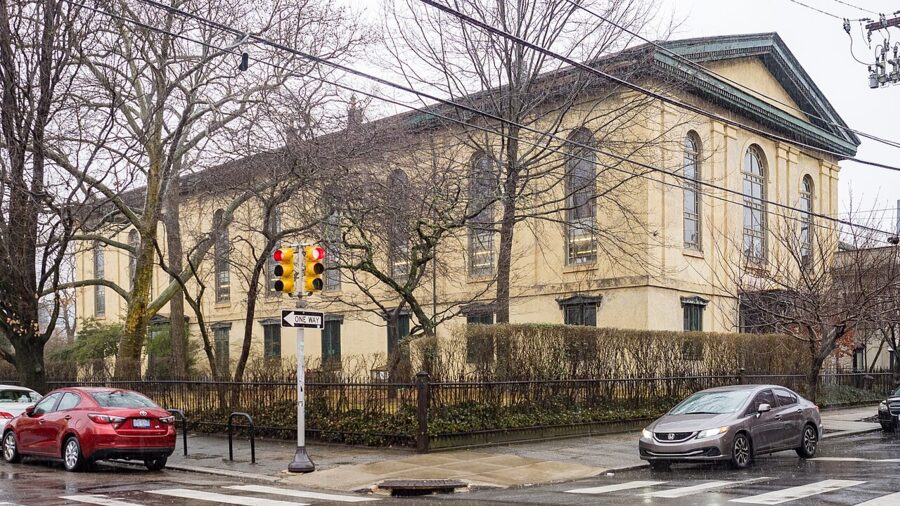
The Wagner Free Institute of Science, at 1700 West Montgomery Avenue in North Philadelphia, shows rocks, minerals, fossils, taxidermy and mounted skeletons in a National Historic Landmark building. Admission is free under its charter, with donations welcome. As of November 2026 it opens Tuesday to Friday, 9:30 a.m. to 4:30 p.m., plus some first Saturdays; its visit page asks you to register ahead, takes walk-ins and lists closures, including Thanksgiving week.

The Penn Museum, the University of Pennsylvania’s museum of archaeology and anthropology at 3260 South Street, is across the Schuylkill in University City. It opens Tuesday to Sunday, 10 a.m. to 5 p.m., with adult tickets at $23; its Egypt galleries are closed for renovation until December 12, 2026.

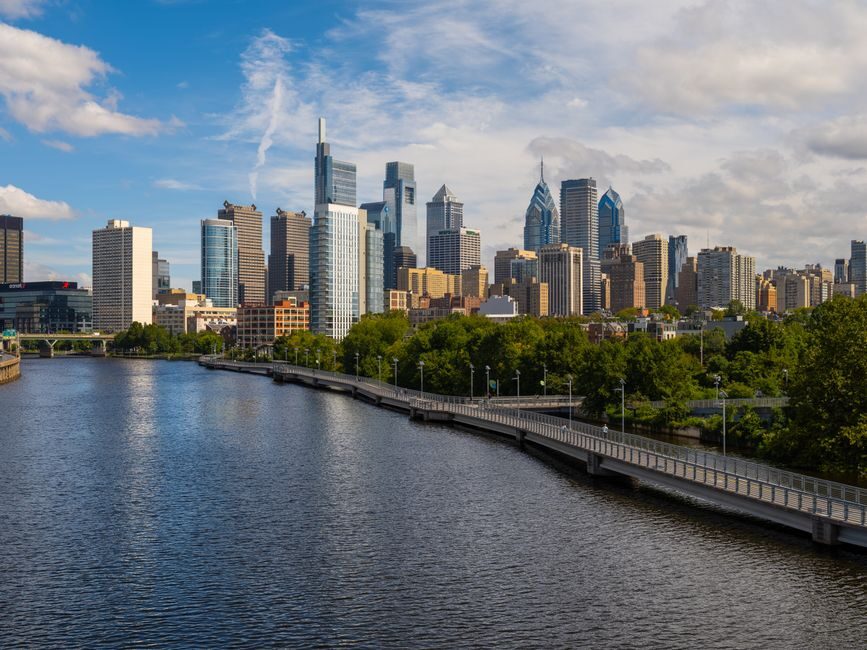
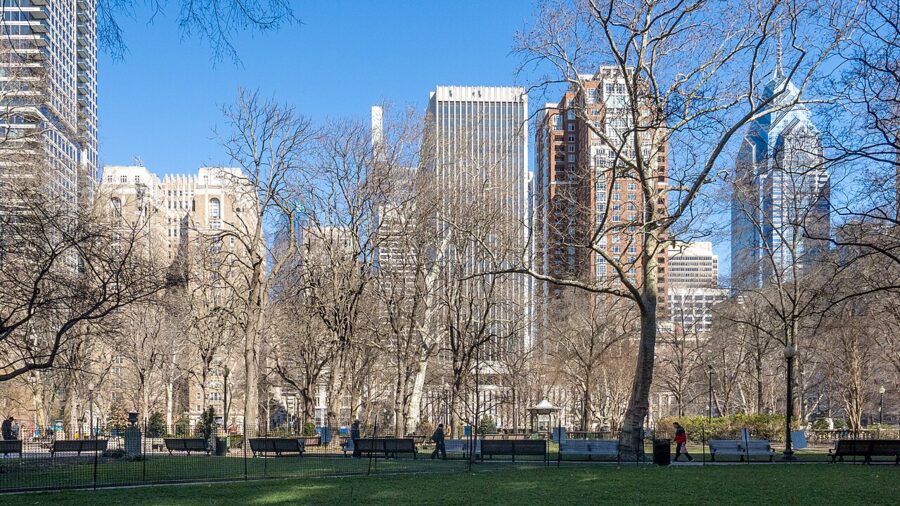
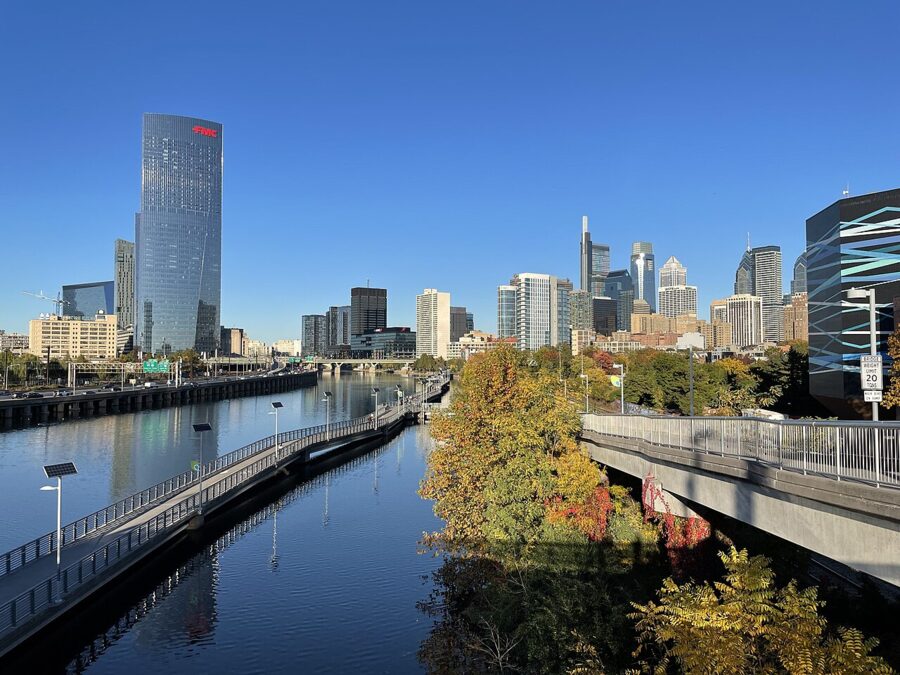
For air between museums, Rittenhouse Square is a few blocks east of the Mütter and the Schuylkill River Trail a few blocks west. Further out in Pennsylvania, Centralia has had a mine fire burning under it since 1962, and the Winchester Mystery House in California is another place where the story and the record have to be pulled apart.


Then go back to 22nd Street, buy the half-hour slot and find the drawers. Chevalier Jackson kept 2,374 objects so that other doctors would know what they were looking for. A century later they are still teaching, and the museum has finally started telling you more about the children they came out of.